Fueltek | Norwich & Norfolk

Fuel management systems
in Norwich.

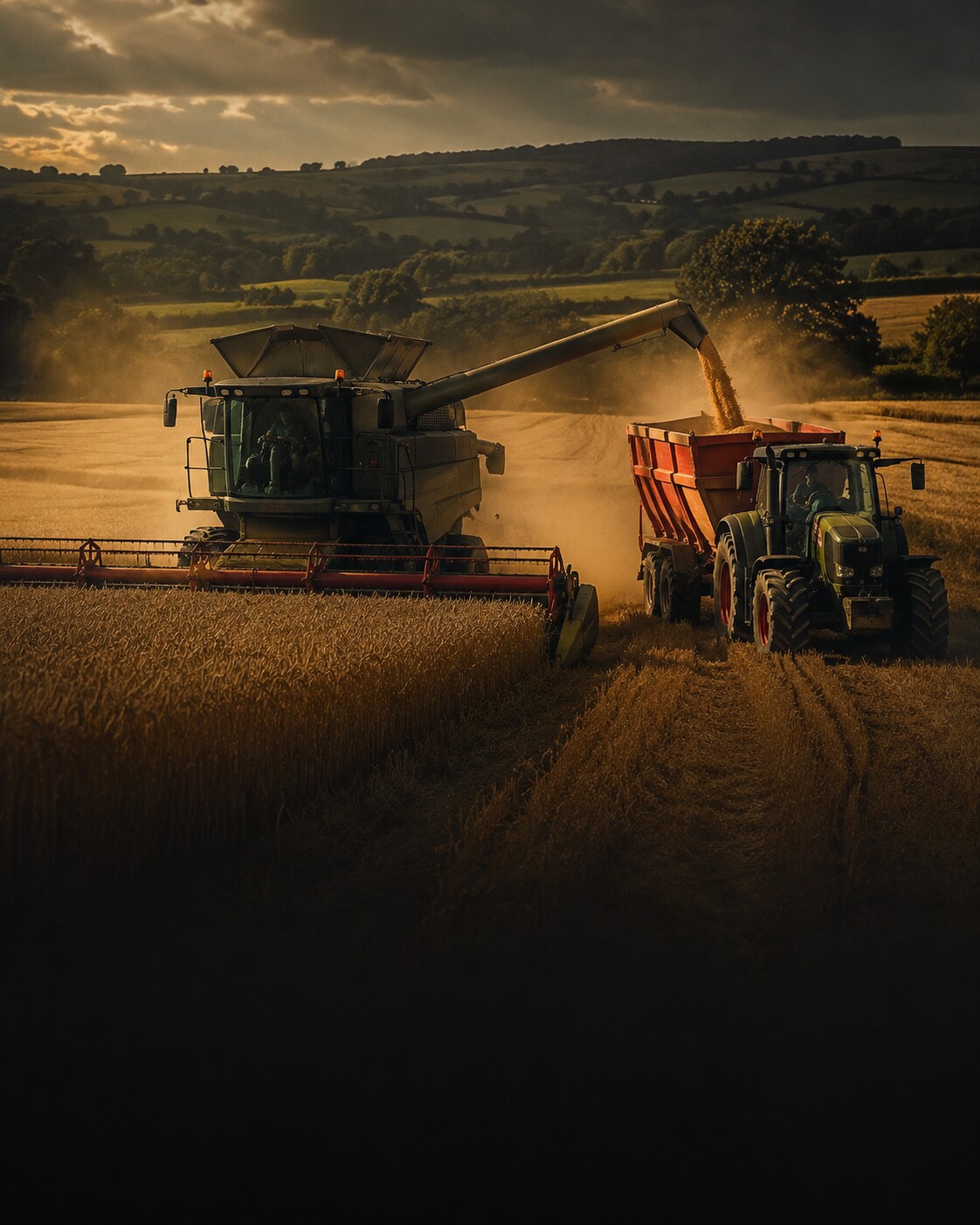
This Norwich guide is built around a practical operating scenario: rural and dispersed fleets where vehicles, tractors or machinery may refuel at a depot that is not continuously supervised.

The Norwich route on this page moves from treat tank and pump as one system to know what remains in storage and then plan service access. That sequence is checked against the real tank, dispenser, communications and vehicle movement for the individual site, whether the project is around Great Yarmouth, Dereham or elsewhere in the service area.

Treat tank and pump as one systemKnow what remains in storagePlan service access
Site-led specificationUK-wide project supportFueltek engineering base: Blackburn
Fueltek customer coverageNorwich & East AngliaExplore Fueltek customer coverage across Norwich and East Anglia. Locations are grouped into local postcode areas so you can see our reach while customer sites remain private.
Customer coverage · zoom in to explore local areas
Loading outward-postcode coverage…

01
Understand the requirement

Your Norwich site → start with the operation.

This Norwich guide works from one specific operating brief: This Norwich guide is built around a practical operating scenario: rural and dispersed fleets where vehicles, tractors or machinery may refuel at a depot that is not continuously supervised. Start by recording who fuels, which fuels are handled, the busiest return or departure period and what equipment already exists.

Local operating scenario

Norwich operating brief — from Great Yarmouth to Dereham.

This page is centred on rural and dispersed fleets where vehicles, tractors or machinery may refuel at a depot that is not continuously supervised.

Working brief: This Norwich guide is built around a practical operating scenario: rural and dispersed fleets where vehicles, tractors or machinery may refuel at a depot that is not continuously supervised.Site evidence: capture the tank, dispenser, meter, gauge, controller and vehicle approach for the real location, including projects around Great Yarmouth or Dereham.Application context: compare Agriculture, Plant & machinery, and Local authorities only where those operating patterns resemble the actual Norwich site.Planning route: use Fuel management systems, Tank calculator, and FMO software as inputs, then confirm equipment, connectivity and layout against the physical installation.
Fuel management application for Norwich
NEXT DECISION

Take the Norwich operating brief forward with “Treat tank and pump as one system” as the first control test rather than jumping straight to a product.

Set the control priorities
02
Prioritise the controls

Your priorities → decide what fuel control must achieve.

For this Norwich brief, the control sequence is treat tank and pump as one system, know what remains in storage, and plan service access. The application routes highlighted below—Agriculture, Plant & machinery, and Local authorities—add sector context without deciding the hardware before the site is understood.

Control the Norwich brief.
Test it against Great Yarmouth and Dereham site evidence.

Before hardware is shortlisted, check how “Treat tank and pump as one system”, “Know what remains in storage” and “Plan service access” should work at the actual site. Existing equipment can then be assessed for condition and compatibility instead of being kept or replaced by default. For this page, use the site evidence from the actual location around Great Yarmouth or Dereham to make that decision.

01

Treat tank and pump as one system

For the Norwich brief, “Treat tank and pump as one system” is the first operational test. Agree how it should work during normal fuelling and during the busiest period, then check that the process remains practical for a site serving areas such as Great Yarmouth and Dereham.

02

Know what remains in storage

The second test is “Know what remains in storage”. The useful record should be created while fuel is issued and remain clear enough for managers to compare activity from the Norwich site with another depot, including operations around Wymondham or Thetford where relevant.

03

Plan service access

“Plan service access” is the management layer for this Norwich scenario. Focus on the exceptions that deserve attention—unusual volume, timing, user or asset behaviour—without adding unnecessary steps to routine refuelling. In the Norwich brief, that exception review is tested against the operating evidence from a real site around Wymondham, not a generic city profile.

Norwich application routes.
Start with Agriculture only if it fits.

This Norwich page points to Agriculture, Plant & machinery, and Local authorities because they are useful follow-on routes for the operating brief above. Open only the application that resembles the real site; the city page itself does not assume a standard sector configuration.

Relevant application

Agriculture

Use the Agriculture guide when a Norwich project, including a site around Great Yarmouth, shares that type of operating requirement. It adds application-specific questions to the local brief before Fueltek confirms the final equipment, flow, storage and reporting arrangement.

Explore Agriculture
Relevant application

Plant & machinery

Use the Plant & machinery guide when a Norwich project, including a site around Dereham, shares that type of operating requirement. It adds application-specific questions to the local brief before Fueltek confirms the final equipment, flow, storage and reporting arrangement.

Explore Plant & machinery
Relevant application

Local authorities

Use the Local authorities guide when a Norwich project, including a site around Wymondham, shares that type of operating requirement. It adds application-specific questions to the local brief before Fueltek confirms the final equipment, flow, storage and reporting arrangement.

Explore Local authorities
NEXT DECISION

Compare Agriculture with Plant & machinery for the Norwich scenario, then move into Fuel management systems once the control requirement is clear.

Build the system route
03
Build the route

Your system → turn requirements into practical inputs.

The Norwich planning route uses Fuel management systems, Tank calculator, and FMO software to convert the operating brief into measurable inputs. A site around Great Yarmouth may still need a different storage, dispenser or communications arrangement from one around Dereham, so the tools inform specification rather than replace it.

Turn the Norwich brief into inputs.
Use Fuel management systems before final specification.

The tools on this page are selected to move the Norwich brief from narrative into numbers and decisions. Use them before comparing a site around Great Yarmouth with one around Dereham, then validate the result against the real installation.

Planning route

Fuel management systems

Use Fuel management systems as a planning route for the Norwich project, then validate its fit against the actual site around Great Yarmouth, the expected fuel demand and any equipment already installed.

Core systems →
Planning route

Tank calculator

If storage forms part of the Norwich project, use the tank calculator to turn proposed rectangular dimensions into an indicative volume. Then compare that figure with expected consumption, delivery frequency and usable capacity before any final tank decision is made. For the Norwich brief, compare the result with the actual operating assumptions and delivery pattern for the site around Great Yarmouth.

Calculate tank volume →
Planning route

FMO software

Use the FMO route when the Norwich requirement needs transaction information available away from the fuel island or across more than one depot. The reporting design should follow the data captured at source and the connectivity available at each location, including sites around Great Yarmouth and Aylsham.

Explore FMO →
NEXT DECISION

Use the outputs from Fuel management systems, Tank calculator, and FMO software to prepare the physical site check for a project around Great Yarmouth or Dereham.

Validate the project
04
Validate the project

Your area → check the real site before specification.

This service-area guide references Great Yarmouth, Dereham, Wymondham, and Thetford. Those places help visitors navigate the region; they do not replace a site survey or a review of storage, dispensing, communications, access and expected fuel demand.

Area guide

Norwich &
Norfolk

This guide covers Norwich with nearby references such as Great Yarmouth, Dereham and Aylsham. Those place names define the service-area context only; the engineering still follows the individual site, fuel demand and installed equipment.

Great YarmouthDerehamWymondhamThetfordLowestoftAylsham

Fueltek’s engineering base is at Lang Court, Shadsworth Business Park, Blackburn. On this page, Norwich, Great Yarmouth, Dereham and the other named places are service-area references for planning and navigation; they are not presented as separate Fueltek branch offices.

Nearby location guides

Continue
around the region.

If the organisation also operates beyond Norwich, compare the nearby guides for Cambridge, Chelmsford, and London. Each one deliberately uses a different planning brief, so a multi-site operator can compare requirements instead of copying one depot design across the region.

What to bring from a Norwich site.

Use the working brief and the service-area references around Great Yarmouth, Dereham, Wymondham and Thetford to gather evidence before a quote or detailed specification. The purpose is to describe the actual operation, not to assume every site in the Norwich area works the same way.

01 · Test the peak around Great Yarmouth

Record who or what arrives to refuel, when the busiest window occurs and which fuels are required. For this Norwich brief, use the operating scenario—This Norwich guide is built around a practical operating scenario: rural and dispersed fleets where vehicles, tractors or machinery may refuel at a depot that is not continuously supervised.—as a prompt, then replace it with the real peak pattern from the site.

02 · Audit what exists near Dereham

Photograph the tank, dispenser, meter, gauge, controller, pipework and vehicle approach where equipment already exists. A project around Dereham may be an integration or upgrade while one around Aylsham could need a different physical arrangement, so condition and compatibility are checked separately.

03 · Define the report for Norwich

Write down what managers must be able to answer after fuel is issued: user or asset, quantity, timing, stock position and any multi-site comparison. That reporting brief should support the relevant application—such as Agriculture—without collecting data that nobody will use. If the organisation also operates around Wymondham or Thetford, decide whether those sites need the same reporting fields or a different local workflow.

NEXT DECISION

Bring the Norwich site pack into the final questions, including anything that differs between operations around Great Yarmouth and Aylsham.

Move to the next step
05
Make the next move

Your next step → remove uncertainty and act.

For a project around Great Yarmouth, Dereham or elsewhere in the Norwich service area, use the questions below to challenge assumptions before committing to equipment. Then send Fueltek the site pack or continue through the System Finder if more scoping is needed.

Norwich FAQs

Local questions.
Useful answers.

How should a Norwich site test “Treat tank and pump as one system” during its busiest fuelling window?

Start with the operating brief used on this Norwich page: This Norwich guide is built around a practical operating scenario: rural and dispersed fleets where vehicles, tractors or machinery may refuel at a depot that is not continuously supervised. Record the busiest fuelling window, the number and type of users or assets, fuels required and any queue or downtime constraint before pump quantity, flow or control hardware is finalised.

What site evidence should Fueltek receive for a project around Great Yarmouth or Dereham?

A useful Norwich site pack includes a simple layout, photos and model details of the tank, dispenser, meter, gauge and controller, plus fuel types, daily and peak fills, identification method and available communications. The same evidence is useful whether the site is near Great Yarmouth, Dereham or elsewhere in the service area.

Why might a fuel setup near Great Yarmouth differ from one near Aylsham?

Not automatically. A site around Great Yarmouth can differ from one around Aylsham in throughput, storage, vehicle mix, access, communication options and existing equipment. This Norwich guide provides planning context; Fueltek still confirms each physical site against its own requirement.

Why does the Norwich guide link first to Agriculture?

The first application route highlighted for Norwich is Agriculture, supported here by Plant & machinery and Local authorities. Those routes are included because they help explore the scenario on this page; they narrow the questions to ask but do not predetermine the final Fueltek hardware.

Fuel management in Norwich

From local planning
to final specification.

For a Norwich project, bring the real site layout, fuels, peak demand, existing equipment and the reporting outcome you need. This page uses Agriculture and the scenario above as planning prompts; Fueltek can then confirm the appropriate next step for a site around Great Yarmouth, Dereham or elsewhere in the service area.

Choose the next step

Use this local guide as a planning starting point, then speak to Fueltek about the live site or compare another area through the UK locations hub.

KEEP EXPLORING

If Norwich is not the correct service area, return to the UK locations hub and choose the city guide closest to the actual project.

View all UK locations
Email salessales@fueltek.co.ukWhatsApp Sales TeamWe’re just a click away