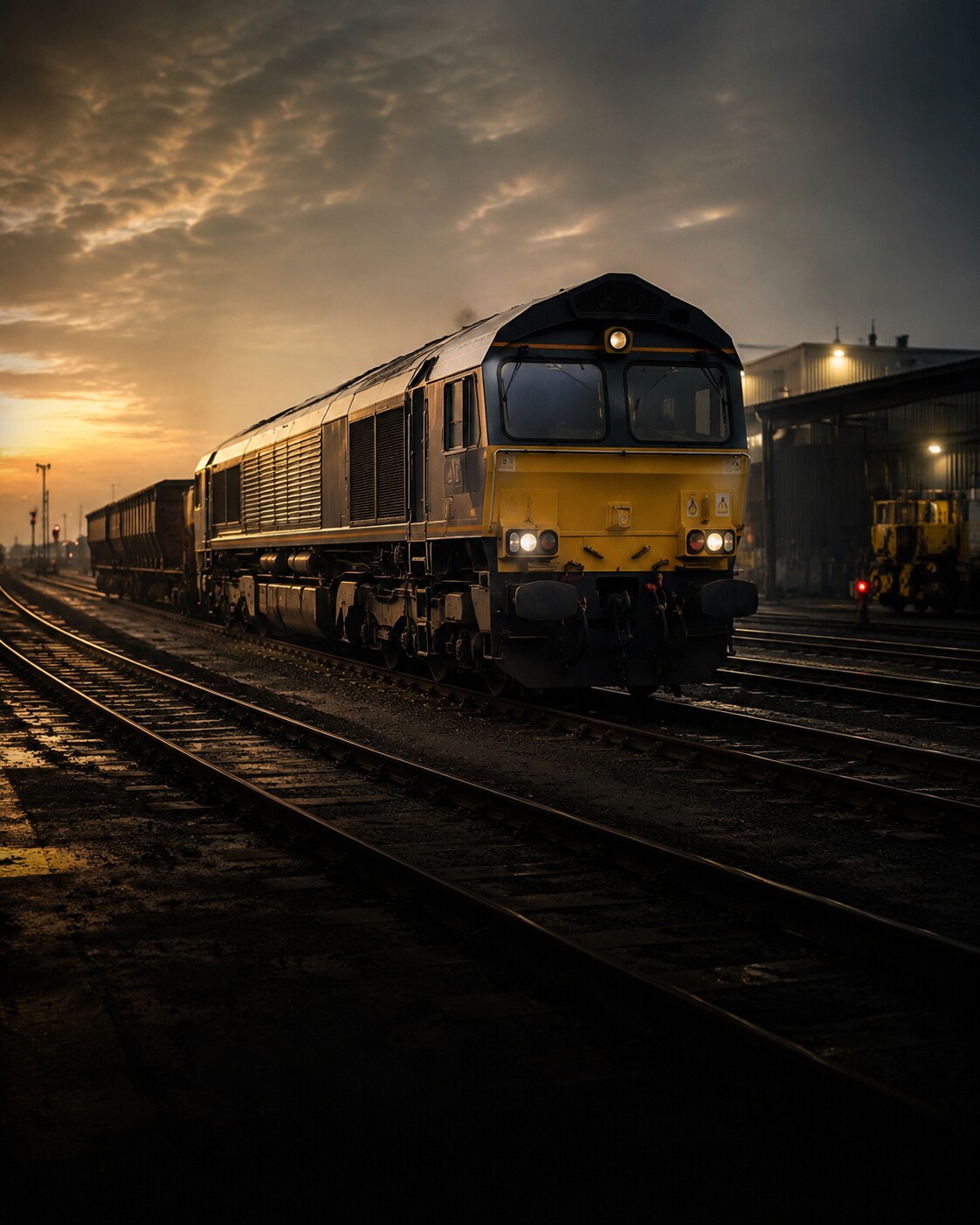
Refuel within the planned depot window
Onsite infrastructure avoids unnecessary travel and can be configured around vehicle movements, maintenance activity, access restrictions and the measured demand at each fuelling point.
Industry solution
Control fuel issued at rail depots to locomotives where appropriate, road vehicles, maintenance plant, generators and support equipment. Fueltek can provide authorised dispensing and transaction reporting across specialist assets, shifts and locations.
Rail operations combine high-value equipment, strict depot procedures and a varied mix of users and assets. A well-designed fuel management system creates dependable records without disrupting maintenance, preparation or operational schedules.
Understanding the operation
A rail depot may support traction assets, engineering vehicles, road fleets, mobile plant and stationary equipment. Different teams work across shifts, while assets can move between depots or return for maintenance on varying schedules.
Fueltek can configure identification and reporting around the operator’s asset hierarchy, depot structure and authorised personnel. Transactions can be reviewed centrally while retaining the specific user, asset, location, product and time information required for investigation.
Benefits for rail operations
Rail refuelling has narrow access windows, large individual dispenses and a strong requirement for safe, attributable records. Fueltek can combine depot dispensing, diesel and AdBlue management, tank monitoring and multi-site reporting around maintenance and service operations.
Onsite infrastructure avoids unnecessary travel and can be configured around vehicle movements, maintenance activity, access restrictions and the measured demand at each fuelling point.
Controlled transactions support review by unit, operator, site, product and period, improving the evidence available for internal reporting and cross-company usage.
Connected sites can share a common reporting model while retaining local permissions, equipment and operating processes required by each depot.
TankWatch can provide stock, capacity, delivery, movement and alarm information alongside managed dispensing, subject to the selected probes and configuration.
Typical operational problems
Fuel equipment must fit within established depot movements, access rules and maintenance activity. The physical design and operating sequence need careful review before installation.
Locomotives where applicable, road vehicles, plant, generators and support equipment may require different identifiers and reporting groups.
Drivers, maintenance personnel, contractors and depot staff may all require controlled access at different times. Shared keys reduce accountability.
Manual logs can be incomplete or delayed. A measured transaction record at the fuel point gives managers a stronger basis for stock and asset review.
Day-to-day workflow
An approved operator or maintainer presents their individual credential at the designated fuel point.
The relevant locomotive, road vehicle, plant item or equipment record is selected using the configured identifier.
The approved product is released and the measured quantity is stored with time, site, user and asset details.
Authorised teams can review transactions by asset, depot, operating group or period and compare them with tank and delivery information.
Relevant capabilities
Select a controlled fuel point suited to the product, asset type, expected throughput and depot environment.
Create separate records for authorised rail personnel, contractors, traction assets, road fleets and plant.
Retain a clear record of where, when and to which asset each measured quantity was issued.
Combine transaction reporting with suitable tank-level information to support replenishment and reconciliation.
Operational value
Fueltek project evidence
Fueltek’s published rail work includes expansion of a three-depot diesel and AdBlue network and a live transfer of reporting responsibility between two operators.
Existing diesel monitoring at Ferme Park, Craigentinny and Clayhills was expanded with additional integrated dispensing and AdBlue control.
Responsibility for Craigentinny and Ferme Park passed from LNER to Hitachi, requiring an exact reporting cut-off while the sites remained operational.
Rail work requires site-specific safety, access, isolation, commissioning and operational-continuity planning. The final scope must be agreed with the relevant operator and infrastructure stakeholders.
Implementation approach
A successful installation starts with the real users, assets, peak periods and reporting responsibilities—not only the tank and pump.
Suitable Fueltek pages
Helpful answers
The system can include different asset groups where the fuel products, infrastructure and operating processes are suitable. The precise project scope should be agreed with depot engineering and operations teams.
Permissions can be structured around the selected identification and site configuration. Access rules should reflect operational roles without creating unnecessary complexity.
Yes, connected multi-site reporting can be supported where compatible equipment, communications and a consistent asset structure are in place.
Tank monitoring and delivery information can support stock reconciliation where suitable equipment and processes have been implemented.
Existing pumps may be retained if compatible, serviceable and suitable for controlled metering. Their condition, controls, hydraulics and safety arrangement require assessment.
No. Fueltek equipment should be incorporated into the operator’s existing safety, engineering, access, maintenance and contingency procedures.